
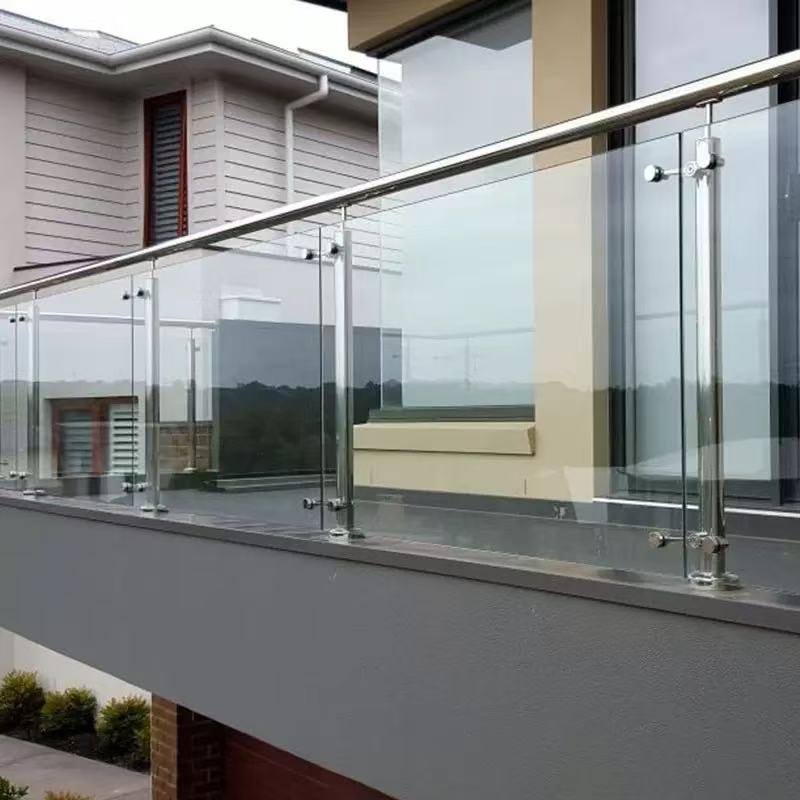
Glass railings are widely used in balconies, staircases, corridors, and viewing platforms due to their transparency, aesthetic appeal, and ability to maintain a clear view. However, glass surfaces easily accumulate dust, fingerprints, and water stains, especially in outdoor or high-traffic areas. Long-term neglect of cleaning can affect appearance and increase cleaning difficulty. Many people find cleaning glass railings time-consuming, laborious, and prone to leaving watermarks. However, mastering the right tools and methods can easily achieve efficient and convenient cleaning. Below, we break down convenient cleaning methods for glass railings, covering tool preparation, cleaning steps for different scenarios, treatment of stubborn stains, and daily maintenance tips.How to Reinforce and Stabilize Shaking Crash Barriers
The prerequisite for convenient cleaning is choosing the right tools. A suitable set of cleaning tools can significantly improve efficiency and reduce residue. Recommended core tools: a “basic cleaning three-piece set”: First, a telescopic glass scraper, adjustable in length to fit the railing height, preventing climbing hazards; the scraper head is made of silicone, conforming to the glass surface and unlikely to scratch. Second, a microfiber cleaning cloth, soft and absorbent, effectively wiping away dust and absorbing water stains, avoiding the fibrous residue of ordinary cloths. Third, a portable spray bottle for precise spraying of cleaning solution, preventing waste. Auxiliary tools may include: a soft-bristled brush (for cleaning dust from glass crevices), an old toothbrush (for stubborn stains on edges and corners), and a bucket (for preparing cleaning solution). Use a dedicated glass cleaner as the preferred cleaning solution, or you can make your own neutral cleaning solution (warm water + a small amount of dish soap). Avoid using strong acid or alkaline cleaners to prevent corrosion of the glass coating or hardware.Which Material is Most Durable for Crash Barriers?
Targeted cleaning for different scenarios balances cleaning effectiveness and convenience, adapting to glass railings in various environments.
- Indoor glass railings (balconies, stairs): These scenarios have less dust; the main stains are fingerprints and minor water stains, making cleaning simple. The first step is dry wiping to remove dust. Use a microfiber cloth to wipe the glass surface in the same direction to prevent dust from mixing with water and forming mud stains. The second step is spraying cleaning solution. Fill a spray bottle with diluted cleaning solution and spray it evenly on both sides of the glass. Let it sit for 1-2 minutes to allow the solution to dissolve the stains. The third step is scraping to remove stains. Use a telescopic glass scraper to slowly scrape from the top of the glass to the bottom in a vertical direction. After each scrape, wipe the scraper head to remove any remaining water stains to avoid secondary contamination. The fourth step is finishing polishing. Use a clean microfiber cloth to wipe the edges and corners of the glass to remove any remaining water stains and restore its clarity. The entire process takes 5-10 minutes and requires no complicated operations.What Height of Barriers Should Be Used in High-Traffic Areas?
- Outdoor glass railings (viewing platforms, corridors): Long-term exposure to the outdoors makes them prone to dust, bird droppings, and rainwater stains. Cleaning requires more thorough cleaning steps. The first step is pre-treatment of stubborn stains. Use a soft-bristled brush dipped in cleaning solution to gently scrub bird droppings and sticky stains on the glass surface. Use an old toothbrush to clean corners and crevices. The second step is large-area cleaning. Spray sufficient cleaning solution onto both sides of the glass and wipe repeatedly with a microfiber cloth. For stubborn rainwater stains, the concentration of the cleaning solution can be increased or the settling time extended. The third step is to squeegee away excess water. When cleaning outdoors, pay attention to the wind direction and try to squeegee with the wind to avoid blowing water stains onto the cleaned area. The glass squeegee should move at a uniform speed to ensure all water is removed. The fourth step is rapid drying. Outdoors, there is a lot of dust, so after cleaning, you can quickly polish with a dry cloth to reduce secondary dust adhesion. If the railing is high, an extended telescopic pole can be used, eliminating the need for scaffolding and allowing for full-area cleaning from the ground.
Targeted treatment of stubborn stains avoids cleaning dead spots. For metallic rust stains on glass surfaces, apply a small amount of white vinegar to the stain, let it sit for 5 minutes, wipe it with a cloth, and then rinse thoroughly with water. For adhesive residue from tape, first rub with an eraser, then spray a small amount of alcohol on any remaining residue to easily dissolve and remove it. For stubborn water stains formed under high temperatures, use a specialized descaling agent, diluted according to the instructions, avoiding direct application of concentrated solutions. After treating stubborn stains, wipe again with clean water and then scrape clean with a glass scraper to prevent cleaning solution residue.
Daily maintenance reduces the frequency of cleaning, making cleaning easier. It is recommended to wipe away surface dust with a dry cloth once a week to prevent dust accumulation; wipe away rainwater from the glass surface promptly after rain to prevent water stains; when cleaning the hardware connectors of glass railings, avoid prolonged contact of the cleaning solution, and dry with a dry cloth after wiping to prevent rust. Furthermore, avoid touching the glass with sharp objects to prevent scratches; minor scratches can be treated with glass repair agent, while severe scratches require immediate replacement of the glass.
In short, the core of cleaning glass railings is “choosing the right tools + operating according to the scene.” With basic cleaning tools and simple steps, efficient and convenient cleaning can be achieved. Whether indoors or outdoors, following the above methods ensures cleaning effectiveness while saving time and effort. Regular simple maintenance can also keep the glass clear and beautiful for a long time, extending its lifespan.