
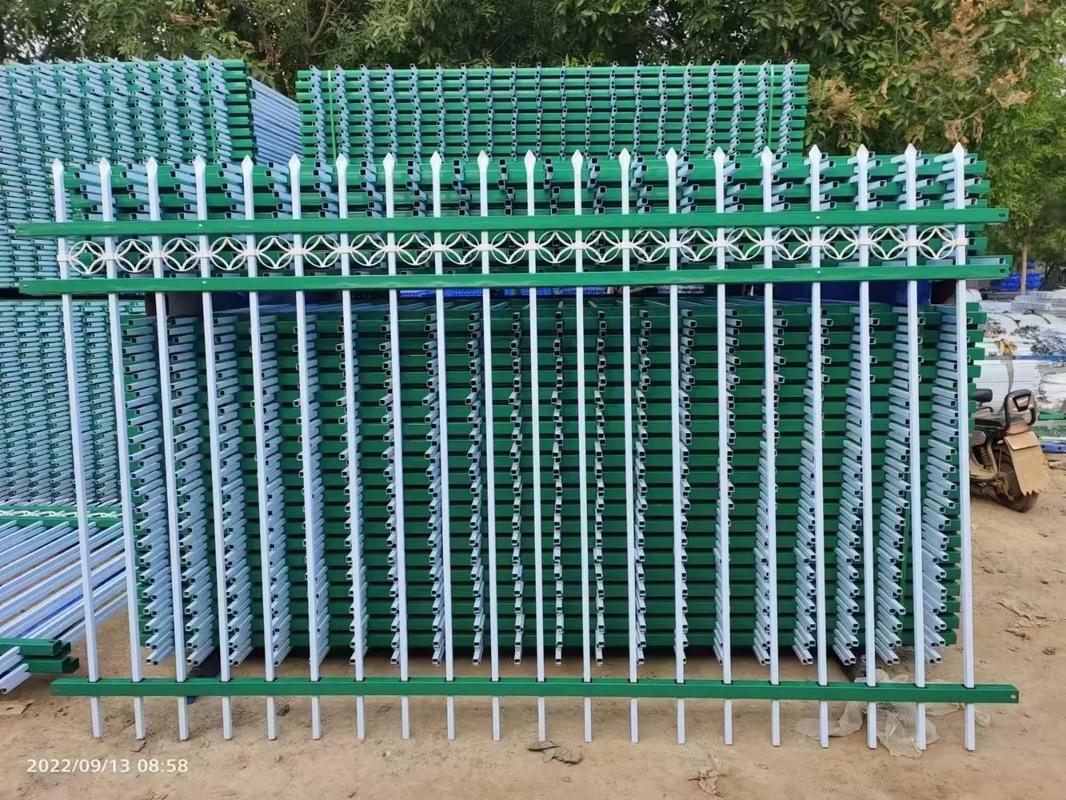
Anyone who’s driven in a busy parking lot knows the hassle: cars squeezing into spots, drivers reversing carefully, and sometimes a little bump between a car and a pillar or another vehicle. Anti-collision guardrails are the “quiet bodyguards” here, keeping cars, pedestrians, and parking lot facilities safe. Choosing the right one isn’t rocket science. Today, let’s talk about it with plain words—no tricky terms, just easy tips.How to Choose Anti-Collision Guardrails for Factory Workshops?
First, pick the right material. The most common ones are steel, aluminum, and plastic. Steel guardrails are the “tough guys.” They can take hard hits from cars and SUVs, so they’re perfect for high-risk areas: like the edges of main driving lanes, around pillars, or near parking lot entrances/exits. Aluminum guardrails are lighter. They’re not as strong as steel, but they’re easy to install and won’t rust. Great for separating parking spaces or marking pedestrian walkways—places where bumps are usually light. Plastic guardrails are the “soft protectors.” They’re ideal for areas near shopping cart stations or kids’ drop-off zones. They stop small bumps without scratching car paint or hurting people.Are Laminated Glass Railings Really Explosion-Proof?
Next, get the height and thickness right. Don’t guess—match them to your parking lot’s traffic. For busy driving lanes or areas near large vehicles (like delivery vans), the guardrail should be at least 1 meter high, and steel ones should be at least 2 mm thick. This way, even if a car hits it, the guardrail won’t bend easily. For parking space dividers, 0.6 to 0.8 meters high is enough. Too high will block drivers’ view when reversing; too low won’t stop a car from hitting the next spot—it’s all about finding the balance.Do Glass Railings Need Impact-Resistant Designs?
Installation method matters too. There are two main types: fixed and movable. Fixed guardrails are bolted tightly to the ground. They’re super stable and good for permanent areas, like around pillars, lane edges, or entrance ramps. Movable guardrails have wheels. They’re perfect for temporary needs—like blocking a section for maintenance, or changing the parking layout during busy seasons (like Christmas at malls). Just remember: movable ones aren’t as strong as fixed ones, so don’t use them in main driving lanes where collisions are more likely.
Don’t forget the parking lot environment. If it’s an outdoor parking lot, choose guardrails with anti-rust treatment—galvanized steel works great, even in rain or snow. For underground parking garages, which are usually damp, anti-rust guardrails are also a must. Avoid plastic guardrails in very cold areas (like northern Europe or Canada). Plastic gets brittle in low temperatures and breaks easily when hit. For clean, modern parking lots (like in office buildings), aluminum or plastic guardrails are better—they look neat and are easy to wipe clean.
Here’s a small trick to check if a guardrail is good: after installation, give it a firm push. If it shakes a lot, the bolts are loose—tighten them again. Also, look at the connections. Good guardrails have strong joints; cheap ones may come apart after one hit. Don’t be tempted by low prices. A bad guardrail might save money now, but it’ll break easily, scratch cars, or even cause accidents later—costing you more in the end.
Another thing: think about space. If your parking lot has narrow lanes, choose slim-design guardrails. They won’t take up extra space, so cars can pass easily. For sharp corners (like near elevator lobbies or exit ramps), use curved guardrails instead of straight ones. Curved guardrails spread the impact force better, protecting both the car and the guardrail itself.
If you’re not sure which guardrail fits, just observe your parking lot first: What kind of cars come most? Are there busy lanes or tight corners? Is it indoor or outdoor? Answering these questions will help you pick the right one. You can also ask the supplier to show you real-case photos—seeing how other parking lots use guardrails makes it easier to decide.