
Installing glass railings may seem simple, but there are actually many pitfalls. Don’t think you can just piece them together and be done with it. One wrong step can lead to wasted money, headaches, and even safety issues later on. Today, let’s talk about the things you must pay close attention to during installation, something even beginners can understand.How to dismantle an old safety barrier?
First, don’t skimp on materials. The core of a glass railing is the glass and the frame. Cutting corners on these two is just creating problems for yourself. Choose tempered glass, not ordinary glass—ordinary glass shatters like knives, while tempered glass breaks into small pieces that are less likely to cut you. Choose sturdy frames as well; iron or stainless steel are both fine. Don’t buy those thin, wobbly pieces that will rust and deform quickly.Write compelling product descriptions for your safety barriers that will make customers want to buy immediately!
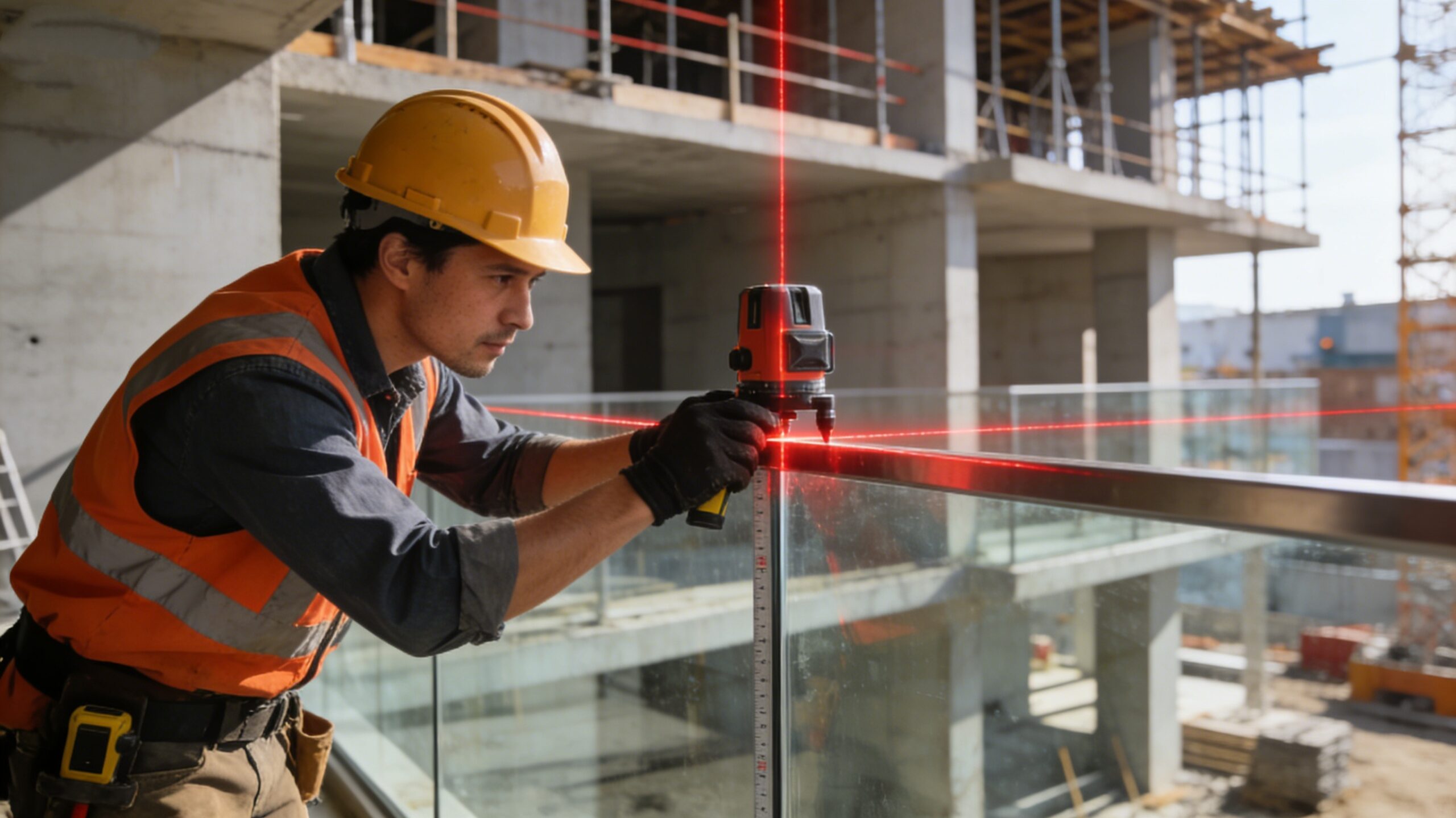
Second, don’t be careless with measurements. Before installation, make sure to measure the installation location accurately—the length and height—and remember them. Even a millimeter’s difference can cause problems, such as the glass not fitting properly or the finished product being crooked. If you’re unsure about the measurements, hire a professional. Don’t try to save a little money; rework will be much more troublesome later.Will glass railings frost over in winter?
When installing and securing the railing, make sure the screws are tightened securely. Many people install it and it looks stable, but the screws aren’t fully tightened. After a while, they’ll loosen, causing the railing to sway—quite frightening. Whether it’s the mounting bracket or the glass, the screws must be tightened completely. It’s best to double-check by shaking it; if it’s as firm as a roly-poly toy, redo it immediately.
Don’t neglect the edges and corners of the glass. Tempered glass is sturdy, but sharp edges can easily cause injury. Before installation, make sure the glass edges and corners are smooth to the touch, without any rough edges. If they aren’t properly finished, don’t hesitate to have the supplier redo them—safety first.
Also, pay attention to the installation environment. If installing in damp places like balconies or bathrooms, the brackets must be rust-proofed. Otherwise, wind and rain will cause them to rust through within a few years, causing the railing to fall down. Additionally, avoid drilling near electrical wires and water pipes during installation. Don’t drill recklessly; damage from drilling will be more expensive to repair.
Finally, don’t use it immediately after installation. Let it sit for a day or two to allow the adhesive to dry completely and the screws to settle. Don’t place anything on top of it immediately after installation. If it’s not properly secured, the glass could fall, resulting in significant damage. If you find any problems after installation, such as cracked glass or loose supports, contact a professional immediately. Don’t use it as is.
The key to installing glass railings is simply: meticulousness. Supervise every step closely. Don’t rush or try to save money. A well-installed railing will be safe, aesthetically pleasing, and provide peace of mind. If you’re unsure, accompany the professional throughout the process. Don’t be shy about asking questions; it’s your home, and safety is paramount.