
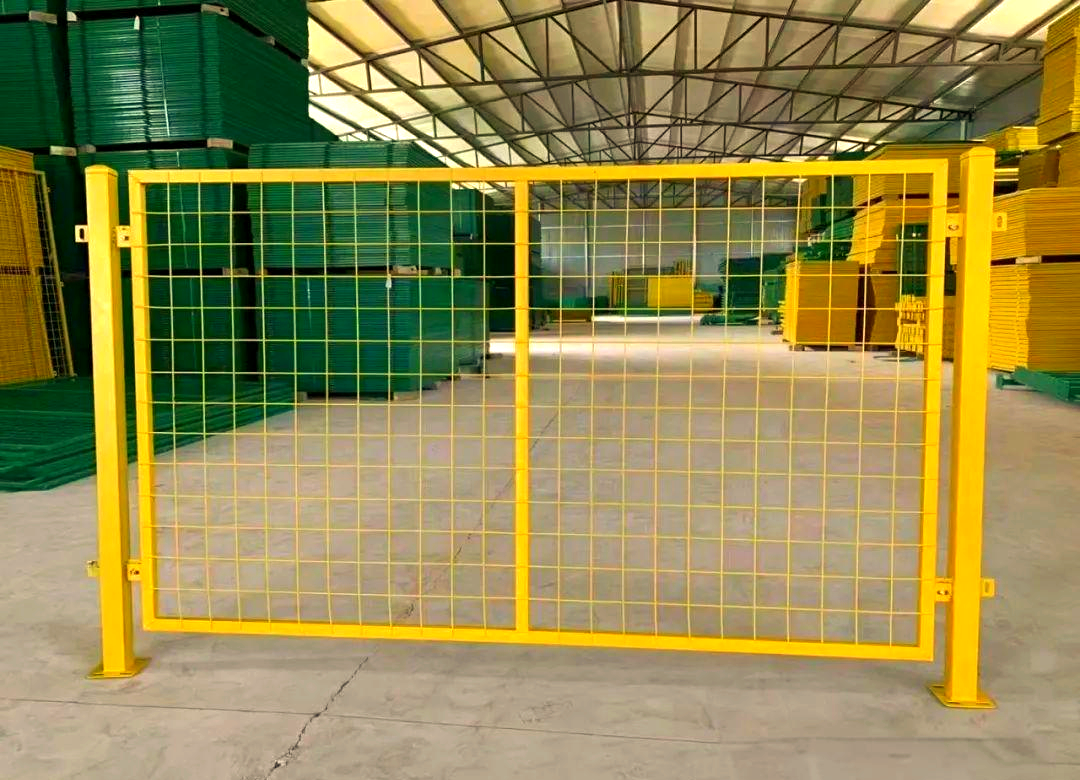
Walk into any busy factory workshop, and you’ll find forklifts zipping around, pallets being moved, and machines running nonstop. It’s easy to have small accidents—like a forklift bumping into a machine or a shelf. That’s where anti-collision guardrails come in. They’re like the “bodyguards” of the workshop, keeping equipment and workers safe. But choosing the right one isn’t hard. Today, let’s talk about how to pick guardrails with plain words, no fancy terms.How to Reinforce and Stabilize Shaking Crash Barriers
First, look at the material. The most common materials are steel, aluminum, and plastic. Steel guardrails are the “strong guys”—super tough and can take hard hits from heavy forklifts. They’re perfect for busy areas, like main forklift paths or around expensive machines. Aluminum guardrails are lighter. They’re not as strong as steel, but they’re easy to install and won’t rust. Good for lighter traffic areas, such as walkways for workers. Plastic guardrails are the “soft ones.” They’re great for protecting delicate equipment or areas where workers walk often—they can stop small bumps without hurting people.Which Material is Most Durable for Crash Barriers?
Next, think about the height and thickness. Don’t guess—match them to your workshop’s needs. For areas with large forklifts or heavy loads, the guardrail should be at least 1.2 meters high and the steel thickness at least 2.5 mm. This way, even if a forklift hits it hard, the guardrail won’t bend easily. For lighter areas, like around small tool stations, a 0.8 to 1 meter high guardrail is enough. Too high a guardrail in a narrow space will block the view; too low won’t protect well—it’s all about balance.How to Choose a More Eye-Catching Color for Traffic Guardrails
Installation method is another key point. There are two main types: fixed and movable. Fixed guardrails are bolted firmly to the floor. They’re super stable and good for permanent areas, like around production lines or machine bases. Movable guardrails have wheels. They’re perfect for temporary needs—for example, if you need to block a temporary construction area or change the workshop layout sometimes. Just remember, movable ones aren’t as strong as fixed ones, so don’t use them in high-traffic forklift zones.
Don’t forget about the environment of your workshop. If the workshop is damp, like a food processing plant that needs frequent cleaning, choose guardrails with anti-rust treatment—steel guardrails with galvanized coating work well. If the workshop is cold, like a refrigerated warehouse, avoid plastic guardrails. Plastic becomes brittle in low temperatures and breaks easily when hit. For clean rooms, like electronic component workshops, aluminum or plastic guardrails are better—they’re easy to clean and won’t shed dust.
There’s a small trick to test if the guardrail is good: give it a gentle push after installation. If it shakes a lot, the installation is not firm—check the bolts again. Also, look at the connection parts. Good guardrails have strong joints; bad ones may come loose after a few hits. Don’t be greedy for cheap. A low-quality guardrail may save money at first, but it will break easily and cost more to replace later—even cause accidents.
Another thing: consider the space. If your workshop is narrow, choose guardrails with a slim design. They won’t take up too much space, leaving more room for forklifts and workers to move. If you need to protect corners, use curved guardrails instead of straight ones. Curved guardrails can spread the impact force better, avoiding damage to both the guardrail and the equipment.
You don’t need to be an expert to choose the right guardrail. Just remember these simple points: pick the right material for your traffic type, match the height and thickness to your needs, choose fixed or movable based on usage, and consider the workshop environment. This way, you’ll get guardrails that really protect your workshop. If you’re still not sure, ask the supplier to show you test videos.