
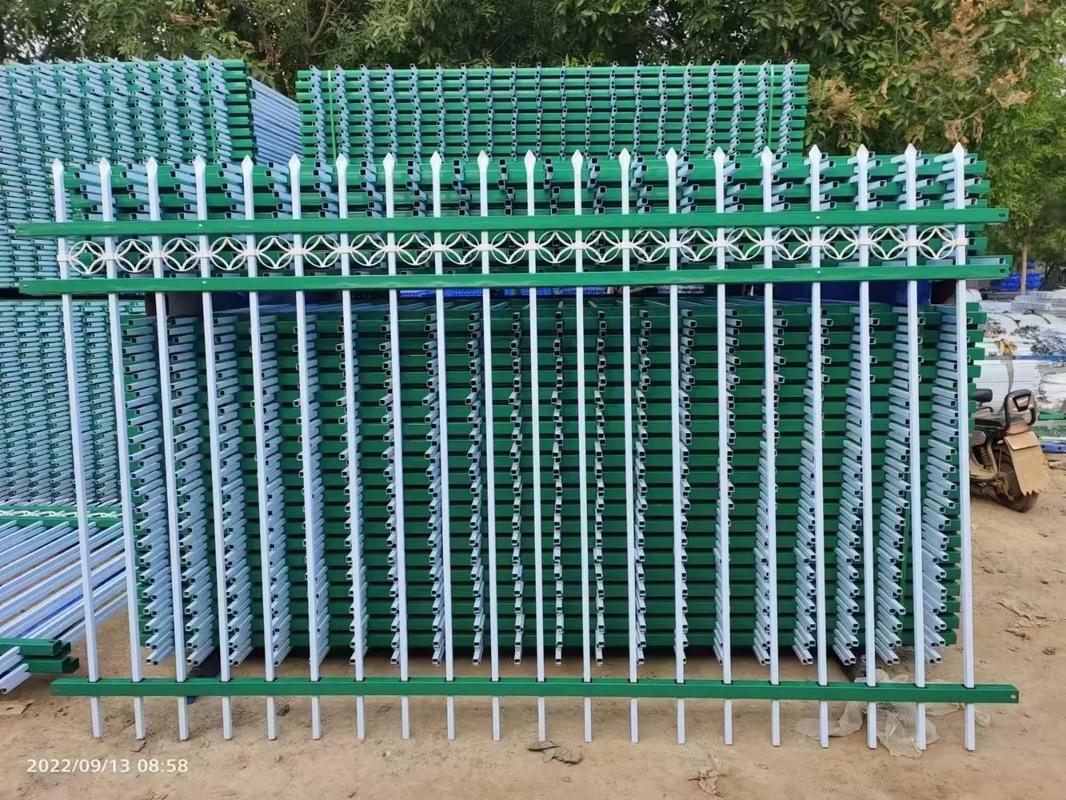
The core functions of traffic guardrails are to delineate areas, warn of risks, and guide traffic. The eye-catching nature of the color directly determines the warning effect—a striking color allows the guardrail to be quickly identified in complex environments, reminding pedestrians and vehicles to avoid risks in advance; an inappropriate color choice can easily be lost in the environment, losing its warning significance. Choosing an eye-catching guardrail color requires a comprehensive judgment based on ambient light, the surrounding scene, and visual perception principles; it’s not simply about pursuing “brightness.” Below is a detailed analysis of the core influencing factors of eye-catching colors, adaptation solutions for different scenarios, and color matching techniques to help you accurately choose a highly recognizable guardrail color.How Deep Should Guardrail Posts Be Buried for Stability?
The core logic affecting the eye-catching nature of guardrail colors is “visual contrast,” requiring careful consideration of three key factors. Firstly, ambient lighting conditions are crucial. Strong light (such as midday sun) and weak light (such as nighttime or cloudy days) greatly affect color visibility, necessitating the selection of colors that are clearly visible under various lighting conditions. Secondly, the surrounding environment’s color scheme must be carefully considered. The color of the guardrail should contrast sharply with the surrounding scenery (such as roads, greenery, and buildings) to avoid being assimilated. Thirdly, visual perception habits are important. Humans are more sensitive to highly saturated warm colors (such as red and yellow), as these colors can quickly convey warning signals and align with common visual perception patterns. Furthermore, the color’s weather resistance must be taken into account. Outdoor guardrails should be selected in colors that are UV-resistant and do not easily fade to ensure long-term visibility.How to Prevent Guardrail Foundation Subsidence
Different scenarios require different guardrail color matching schemes to accurately match warning needs:
- Traffic scenarios such as urban roads and intersections: These scenarios involve high traffic volume and speeds, requiring colors that can be quickly recognized by drivers. Yellow and black or red and white color schemes are preferred. Yellow, a highly saturated warm color, is highly visible under strong daylight. Paired with black stripes, it creates a strong contrast, making it easily noticeable even from a distance or from a fast-moving perspective. Red has a strong warning effect, symbolizing “prohibition” and “danger.” Combined with white stripes, it reinforces the sense of boundary and is suitable for placement at intersection stop lines and the edges of dangerous road sections. For roads with frequent nighttime traffic, yellow-black or red-white barriers with reflective coatings can be chosen to further enhance visibility through vehicle headlight reflection, avoiding blind spots at night.How to Easily Clean Glass Railings
- High-risk scenarios such as construction sites and work areas: These environments are complex, with risks associated with machinery operations and material storage. Colors with strong warning significance should be selected, with red and orange being the preferred choices. Red has the strongest visual impact, directly conveying the signal “do not approach, danger,” making it suitable for placement at the core boundary of construction areas. Orange has high saturation and strong visual penetration, making it less easily obscured in dusty construction site environments. It can be used for perimeter isolation of construction areas to guide personnel and vehicles around them. It is recommended to pair the barriers with white stripes or reflective markings to further enhance the color layering and visibility, avoiding a monotonous and blurry appearance of a single color in complex environments.
- Recreational scenes such as parks and scenic spots: These scenes are characterized by lush greenery and a predominantly green color scheme. Colors that create a strong contrast with the green should be chosen, such as white, light gray, or blue and white combinations. White has high brightness, making it highly recognizable against green vegetation, and its simple style will not disrupt the natural atmosphere of the scenic area. Light gray, although low in saturation, contrasts sharply with green, making it suitable for scenes where high warning requirements are not necessary and the focus is on zoning. Blue and white combinations are fresh and eye-catching, achieving both zoning and harmonious integration with the blue sky and greenery of the scenic area, enhancing the aesthetic appeal. Avoid choosing colors similar to the surrounding vegetation, such as green and dark brown, to prevent the barriers from being obscured by greenery.
- Densely populated scenes such as schools, kindergartens, and residential areas: These scenes need to balance warning effectiveness with softness, avoiding overly glaring colors that may cause discomfort. Yellow and white combinations or light blue and white color schemes are recommended. Yellow is a strong yet relatively soft warning color; when paired with white stripes, it clearly delineates areas and reminds vehicles to slow down and give way. Light blue is gentle and comfortable; when paired with white, it creates a safe atmosphere, suitable for isolation in kindergartens and residential areas, while avoiding visual stimulation for minors. If placed near pedestrian crossings at school entrances, yellow and white barriers with reflective particles can be chosen to improve visibility during low light conditions in the morning and evening.
- Low-light scenarios such as tunnels and underground parking garages: In these dimly lit scenarios, colors with high brightness and strong penetration should be chosen. White, yellow and white stripes, and light gray are recommended. White has the strongest light reflection ability in low-light environments, quickly highlighting the outline of the barrier; yellow and white stripes, with the help of the high visibility of yellow and the reflectivity of white, have a longer visibility distance in dim environments. Dark colors such as black and dark green should be avoided, as these colors easily blend into the environment in low light and fail to provide a warning effect. It is also recommended to combine them with lighting or reflective coatings to further enhance the visibility effect.
Key techniques for barrier color matching and material selection to improve long-term visibility. Firstly, prioritize stripes in a “primary color + secondary color” combination. Compared to a single color, stripes have a stronger visual impact and enhance the outline of the fence. Common stripes include yellow and black, red and white, and blue and white. The stripe width should be controlled between 15-30 cm to ensure clear visibility from a distance. Secondly, coordinate materials and colors. Outdoor fences should prioritize hot-dip galvanizing + powder coating. The powder coating layer should use a highly weather-resistant paint (such as fluorocarbon paint) to prevent fading and peeling due to prolonged exposure to sun and rain, ensuring the color remains vibrant and eye-catching. Thirdly, provide enhanced treatment for special environments. In areas with high winds and dust, choose colors that are less prone to staining (such as light gray or white) and clean regularly. In areas with strong light reflection (such as snow or around water), avoid highly reflective single colors; instead, use matte stripes to prevent glare from affecting visual recognition.
In summary, the key to choosing eye-catching fence colors is “creating contrast, adapting to the scene, and considering weather resistance.” The ambient lighting and surrounding color tones vary significantly across different scenarios, necessitating the selection of color schemes tailored to each situation. Prioritizing highly saturated warm colors or strong-contrast stripes to enhance visibility is crucial. Simultaneously, considering material weather resistance and color matching techniques is essential to ensure the barriers maintain their striking appearance over the long term, effectively fulfilling their warning and guidance functions. If unsure about color selection for a specific scenario, conduct color trials based on the on-site environment or refer to local traffic and safety facility color codes to ensure compliance and practicality.