
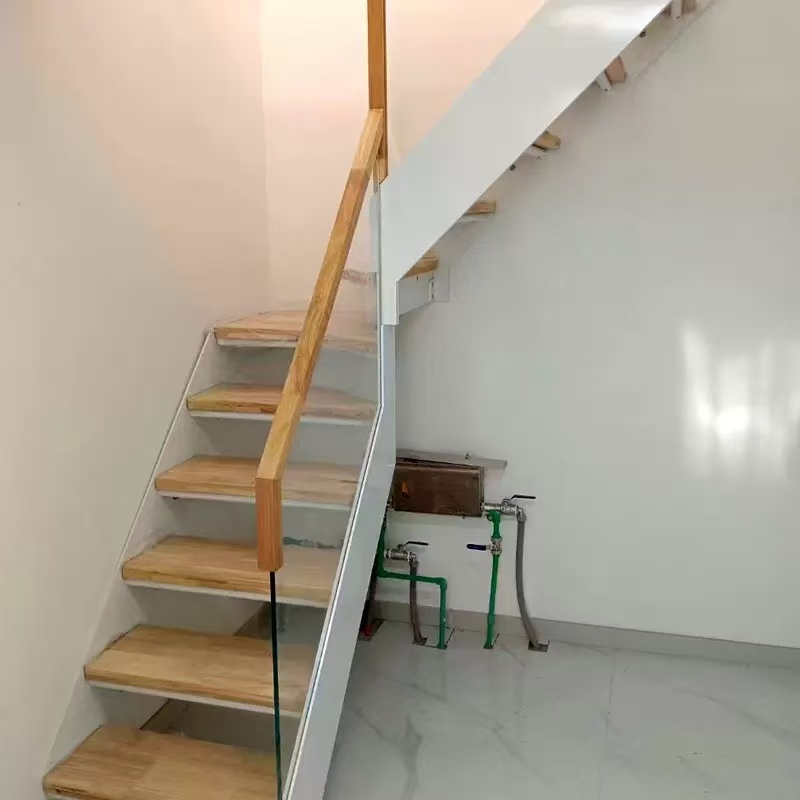
Glass railings are mainly divided into two types: frameless and framed. There’s no absolute superiority of one over the other; the core differences lie in aesthetics, safety performance, applicable scenarios, and maintenance costs. Frameless glass railings win with their “panoramic transparency,” suitable for spaces aiming for a minimalist style; framed glass railings are valued for their “structural stability,” making them more suitable for high-risk or public settings. When choosing, you need to consider your decorating style, the safety requirements of the usage scenario, and your expectations for future maintenance to select a style that suits your needs.What glass thickness is safe for glass railings?
The core advantage of frameless glass railings is their aesthetic appeal and transparency, maximizing the preservation of the view and aligning with modern minimalist and understated luxury decorating styles. They are directly fixed to the ground or handrail base with glass, without any extra frame obstructions, making balconies and terraces appear more open and transparent. They are especially suitable for small apartments or areas requiring panoramic views (such as viewing balconies or the transition between floor-to-ceiling windows). However, frameless designs place higher demands on the glass and fixing processes. For safety, tempered glass of 10mm or thicker, or 8+8mm laminated tempered glass, must be used. The spacing between fixing points needs to be controlled at 30-40cm, and stainless steel hardware is required to enhance stability. Furthermore, frameless glass railings are relatively easy to clean, as there is no dust accumulation in the frame gaps. However, the glass edges must be beveled to prevent scratches and bumps.What to do if tempered glass railings spontaneously shatter?
The core advantage of framed glass railings is their stable structure and more controllable safety. The frames are typically made of materials such as aluminum alloy or stainless steel, providing excellent support and protection for the glass and reducing the risk of breakage. They offer more flexibility in terms of glass thickness; 8-10mm tempered glass is sufficient for typical home scenarios and is suitable for staircases, high-rise balconies, and public areas (shopping malls, office buildings) where stability is paramount. Framed designs also allow for diverse interior design styles through frame shapes; for example, aluminum alloy frames can be painted in different colors to suit various styles, including Chinese and European. However, framed railings can obstruct the view to some extent, appear somewhat heavy, and the junction between the frame and glass is prone to dust accumulation, requiring thorough cleaning of the crevices. Furthermore, attention must be paid to the frame’s corrosion and rust prevention (especially in outdoor settings).Can Glass Railings Display Holographic Images?
When choosing a type, a precise match between the desired scenario and needs is essential. If a minimalist style is desired, unobstructed views are important, and the budget allows (frameless railings are 20%-30% more expensive than framed railings of the same specifications due to higher glass and manufacturing requirements), frameless glass railings are a good choice for family balconies and viewing terraces. If there are children or pets in the home, or if the railing is intended for staircases, high-rise outdoor areas, or public spaces, framed glass railings are preferred for their structural stability. Additionally, framed railings are recommended for outdoor settings, as the frame reduces the area of glass directly exposed to harsh environments, lowering the risk of spontaneous breakage due to temperature differences and damage from wind and rain. In low-risk indoor areas (such as indoor corridors), the aesthetic advantages of frameless railings are more apparent. Regardless of the type chosen, ensure the glass has 3C certification and the fixing process complies with national standards.
For purchases, please add the following WhatsApp contact.
In summary, the core principle for choosing between frameless and framed glass railings is “matching needs”: for those seeking aesthetic appeal and transparency in low-risk indoor environments, frameless railings are more suitable; for those prioritizing structural stability in high-risk environments or with limited budgets, framed railings are more practical. There’s no need to blindly follow minimalist frameless designs, nor should one ignore the safety advantages of framed railings. Choosing a railing that combines your decorating style, the safety level of the usage scenario, and maintenance needs will ensure that it is both aesthetically pleasing and provides a solid safety guarantee.