
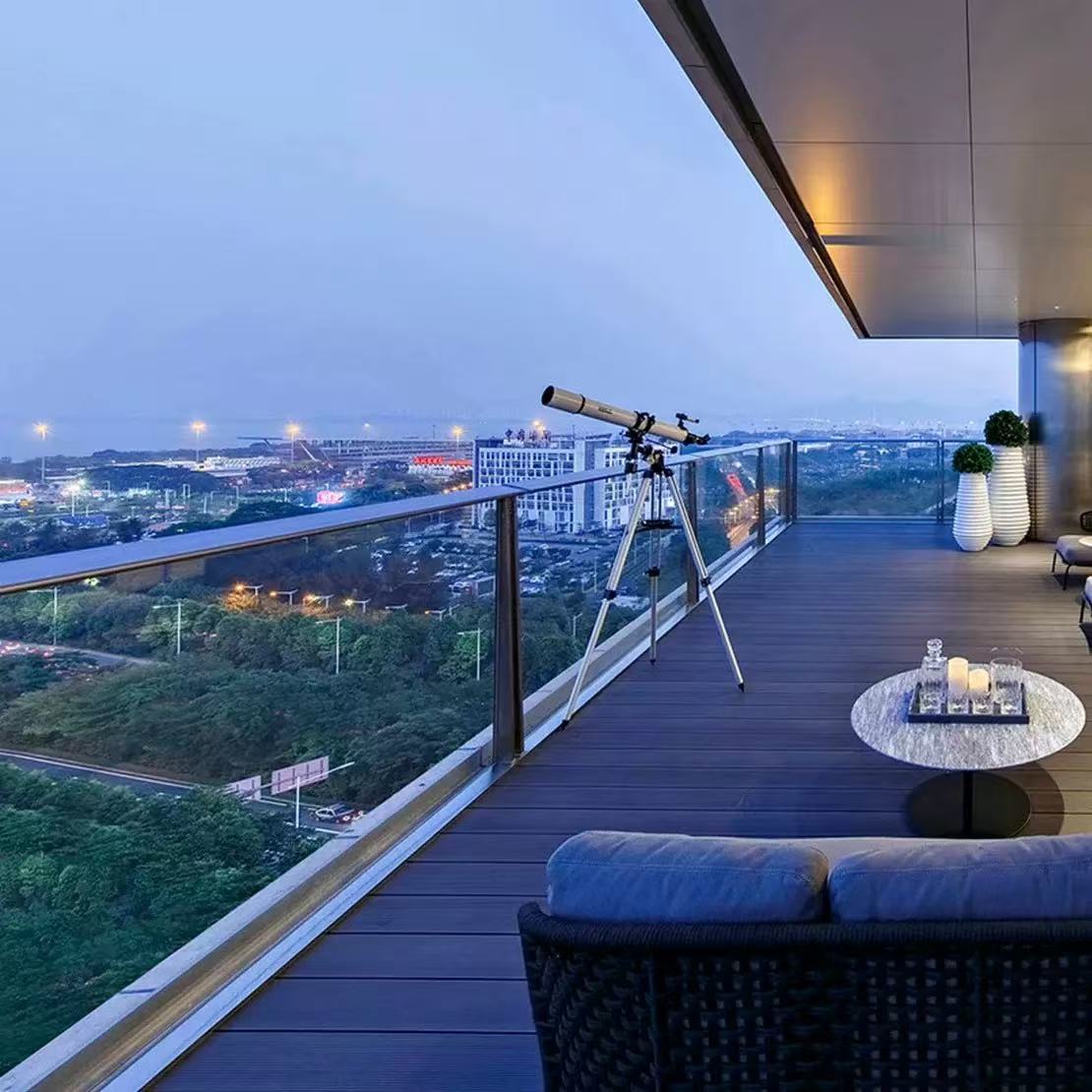
The balcony, as an extension of the home space, serves not only as a source of light and ventilation but also as an important area for relaxation and enjoying the view. Railings are the core line of defense for balcony safety. Glass railings, with their advantages of transparency, aesthetics, and unobstructed views, have become the first choice for many families. However, the installation of glass railings involves several key aspects, including material selection, standards, and construction details. A single mistake can lead to safety hazards. This complete guide breaks down the entire process from preparation to acceptance, helping you easily install balcony glass railings.Can Glass Railings Display Holographic Images?
Core Preparation Before Installation: Choosing the Right Material is Fundamental. The safety performance of glass railings depends primarily on the glass material. Currently, the mainstream qualified materials are tempered glass and laminated tempered glass. Tempered glass is 3-5 times stronger than ordinary glass, and when broken, it shatters into small, blunt-angled particles that are less prone to scratches. Laminated tempered glass has a PVB film between two layers of tempered glass, so even if it breaks, the fragments will not scatter, providing superior safety, especially suitable for high-rise residential buildings. Besides the glass, the frame material also needs attention. Aluminum alloy frames are corrosion-resistant and lightweight, while stainless steel frames are strong and have a premium feel. The choice can be made based on home style and budget. At the same time, it’s necessary to confirm the specifications for balcony railings in advance. According to national regulations, the height of residential balcony railings should not be less than 1.1 meters, and the spacing between railings should not be greater than 0.11 meters to prevent children from climbing or crawling through.
For purchases, please add the following WhatsApp contact.
Key details in the construction process: Standardized operation is crucial. The first step is base treatment. Debris and dust must be cleaned from the balcony edges, and the base wall or wall structure must be checked for stability. If there are any hollow spots or looseness, repairs and reinforcement are necessary to ensure the stability of the frame installation. The second step is frame fixing. After positioning and laying out the lines according to the design plan, expansion bolts are used to firmly connect the frame to the base. The spacing between fixing points should not be too large, generally not exceeding 60 centimeters, and it is essential to ensure that the bolts penetrate deep into the solid structure, avoiding fixing to non-load-bearing parts such as hollow bricks. The third step is glass installation. Before installation, it’s necessary to check if the glass size matches the frame gap. Gaps that are too large or too small will affect the installation effect. During installation, anti-vibration rubber pads should be added between the glass and the frame to prevent direct contact between the glass and metal, which could cause damage. Simultaneously, ensure the glass is installed flat, without tilting or wobbling. The fourth step is sealing. Neutral silicone sealant is used to fill the gaps between the glass and the frame. The sealant should be even and full, without bubbles or cracks, providing waterproofing and moisture protection while further securing the glass.What glass thickness is safe for glass railings?
Acceptance and Post-Installation Maintenance: Pay Attention to Details. After installation, a comprehensive acceptance inspection is required: Shake the railing by hand to check for overall stability and any looseness or abnormal noises; observe the glass surface for scratches, cracks, or other defects, and ensure the sealant is smooth and even; measure the railing height and spacing to confirm compliance with specifications. During later use, the glass surface should be cleaned regularly with a neutral detergent, avoiding scratching with sharp objects; check the frame fixing bolts and sealant annually. If any bolts are found to be loose, tighten them immediately; if the sealant has aged or cracked, refill it. In addition, avoid hanging heavy objects on the railing to prevent excessive pressure on the glass and frame.Can Glass Railings Display Holographic Images?
Safety is always the top priority when installing balcony glass railings. From material selection to construction and acceptance, every step must be meticulous. Following the above guidelines will ensure the safety performance of the railings and allow them to blend seamlessly into the home environment, creating a safe and aesthetically pleasing balcony space for your family. If you still have questions about the installation process, it is recommended to choose a professional installation team to ensure that the installation quality meets standards.